How Much Weight Can an Electric Bike Carry? A Complete Guide to E-Bike Weight Limits

An electric bike can make everyday journeys easier, whether you're commuting to work, carrying shopping or enjoying longer weekend rides. But before choosing an e-bike, there's one important specification you shouldn't overlook: how much weight can it safely carry?
The answer depends on the bike's frame, wheels, tyres, brakes and manufacturer-approved payload capacity. While some electric bikes are designed primarily for individual riders, cargo e-bikes and electric trikes can accommodate considerably heavier combined loads.
If you're a heavier rider or regularly travel with additional luggage, understanding these limits will help you choose an e-bike that suits your requirements without compromising safety or performance.
Let's look at what you need to know before making your purchase.
1. How Much Weight Can an Electric Bike Carry?
Most standard electric bikes have maximum load capacities ranging from approximately 120 kg to 150 kg. Some heavy-duty models and cargo e-bikes offer higher capacities of 180 kg to 200 kg or more.
However, these figures are not universal. Always check the specifications of the individual model rather than assuming that every electric bike has the same carrying capacity.
The maximum payload generally includes:
-
Rider's body weight
-
Clothing and protective equipment
-
Backpack or other personal belongings
-
Shopping bags and groceries
-
Approved accessories and additional cargo
For example, if an electric bike has a maximum payload of 150 kg and the rider weighs 110 kg, the remaining capacity is 40 kg for luggage and other permitted loads.
This distinction is particularly important when comparing bikes because maximum payload does not necessarily mean maximum rider weight.
2. What Is the Difference Between Rider Weight and Maximum Payload?
These two terms are often confused when shopping for an electric bike.
Maximum rider weight refers to the manufacturer's permitted weight for the person riding the bicycle.
Maximum payload capacity refers to the total weight the bike is designed to support, including the rider and any additional permitted load.
Consider this example:
Imagine you're purchasing an electric bike with a maximum payload of 150 kg.
| Weight calculation | Weight |
|---|---|
| Rider | 105 kg |
| Backpack | 5 kg |
| Shopping | 10 kg |
| Additional accessories | 3 kg |
| Total payload | 123 kg |
In this example, the combined weight is within the advertised 150 kg limit.
Before purchasing, check whether the manufacturer specifies a separate rider-weight restriction or individual limits for the rear rack and other components.
3. What Affects an Electric Bike's Weight Capacity?
An electric bike's carrying capacity depends on several components working together.
Frame construction
The frame supports the rider and distributes weight across the bicycle. Aluminium alloy and steel frames are commonly used in electric bikes, but the material alone doesn't determine how much weight a bike can carry.
Frame design, construction quality, joints and manufacturer testing all matter.
Wheels and tyres
Wheels support a significant proportion of the overall load. Strong rims, suitable spokes and tyres with appropriate load ratings are important, particularly for heavier riders.
Fat tyres can provide a larger contact area and added cushioning, but wider tyres do not automatically mean a higher payload rating.
Braking system
A heavier combined load requires more braking effort, especially when travelling downhill or stopping in wet conditions.
Hydraulic disc brakes can offer controlled braking and consistent performance. Mechanical disc brakes can also work effectively when correctly maintained and used within the bike's rated capacity.
Suspension
Suspension helps absorb bumps and uneven surfaces. However, the suspension system also has its own operating limits.
Check the manufacturer's recommendations rather than assuming that front or rear suspension automatically makes a bike suitable for heavier loads.
4. How Does Rider Weight Affect E-Bike Performance?
Even when you stay within the manufacturer's recommended capacity, additional weight can influence how your electric bike performs.
Battery range: A heavier combined load generally requires more energy, particularly when accelerating, climbing hills or riding against strong winds. Consequently, you may achieve less than the manufacturer's advertised range.
Acceleration: The motor needs to work harder to move a heavier load. You may notice slower acceleration, particularly when starting on an incline.
Hill climbing: Climbing performance depends on motor torque, gearing, battery condition, terrain and total weight. A heavier rider may need to use lower assistance levels and pedal more actively.
Braking distance: Additional weight increases the effort required to bring the bike to a stop. Maintaining your brakes and tyres becomes particularly important.
These factors don't mean heavier riders cannot enjoy electric bikes. They simply highlight why choosing the correct model matters.
5. Electric Bikes at Pogo Cycles: Models and Their Load Capacities
If carrying capacity is an important consideration, here are some models available through Pogo Cycles Ireland with published maximum load specifications.
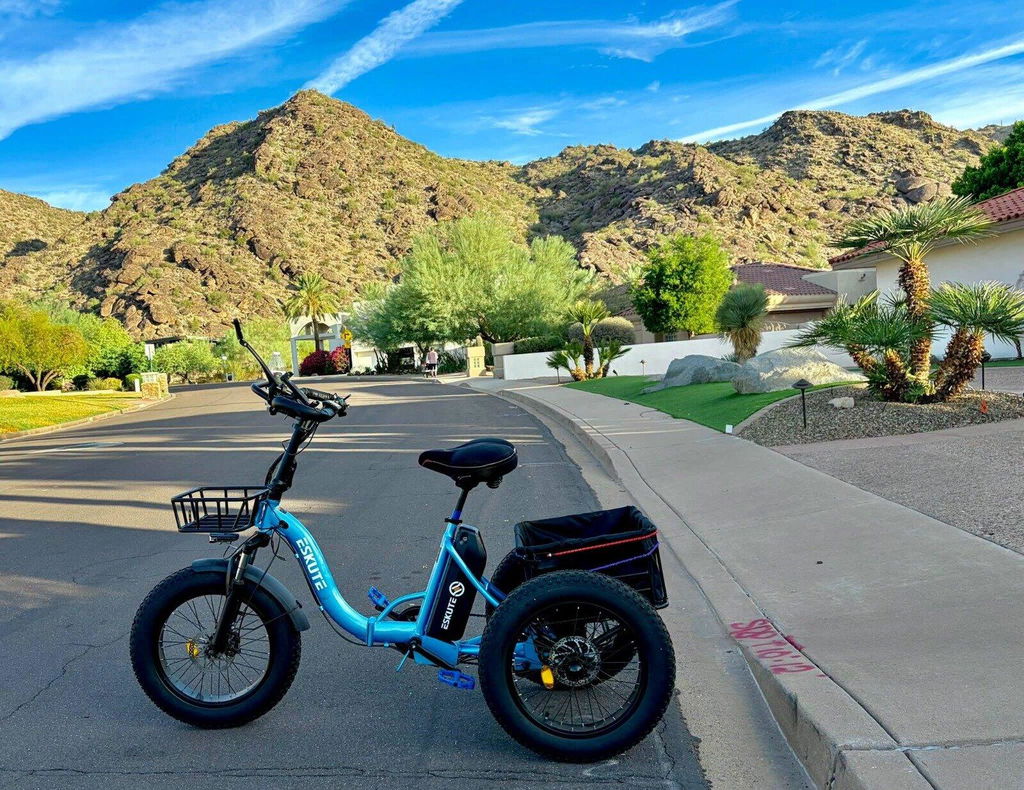
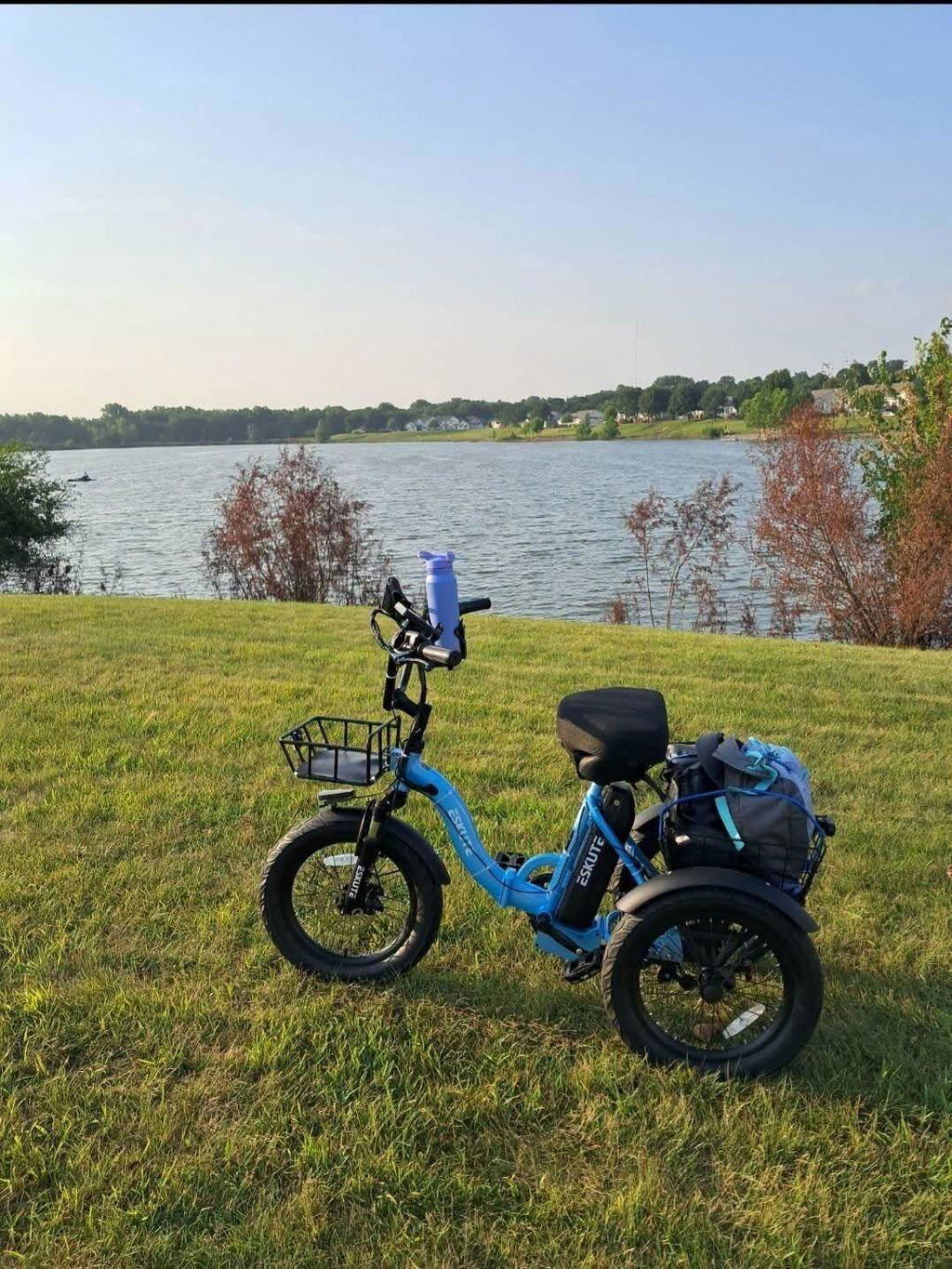
Eskute T302 Pro Cargo Electric Trike – 200 kg
The Eskute T302 Pro Cargo Electric Trike is worth considering if you need a practical electric vehicle for everyday transportation and carrying shopping.
Its three-wheel configuration provides a different riding experience from a conventional two-wheel e-bike.
Key specifications:
-
Maximum payload: 200 kg
-
Motor: 250W
-
Battery: 48V 20.8Ah
-
Claimed range: 60–130 km
-
Shimano 7-speed gearing
-
Mechanical disc brakes
Its advertised 200 kg payload makes it one of the higher-capacity options in this selection. Remember that the total load includes the rider and permitted cargo.

GOGOBEST GF200 Electric Cargo Bike – 200 kg
The GOGOBEST GF200 Electric Cargo Bike is designed around practical cargo transportation.
Key specifications:
-
Maximum load: 200 kg
-
Motor: 500W
-
Battery: 48V 15.6Ah
-
Torque: 60Nm
-
Product weight: 33 kg
-
Shimano 7-speed gearing
Its higher stated payload makes it an interesting option for riders who need additional carrying capacity.
However, its 500W motor specification means buyers should check its vehicle classification and road-use requirements in Ireland before purchasing.

PVY A20 Electric Bike – 150 kg
For riders looking for a folding-style fat-tyre electric bike, the PVY A20 offers a different combination of features.
Key specifications:
-
Maximum load: 150 kg
-
Motor: 250W
-
Battery: 48V 20Ah
-
Maximum torque: 100Nm
-
Tyres: 20 × 4-inch
-
Front and rear suspension
Its advertised 150 kg capacity provides a useful reference for riders comparing conventional electric bikes with higher-capacity cargo models.

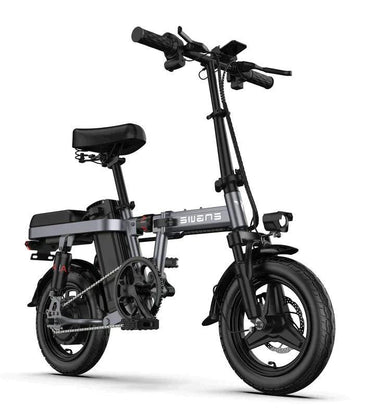
ENGWE EP-2 Boost – 150 kg
The ENGWE EP-2 Boost is another option for riders who prefer a folding fat-tyre design.
Key specifications:
-
Maximum load: 150 kg
-
Motor: 250W
-
Battery: 48V 13Ah
-
Torque: 55Nm
-
Tyres: 20 × 4-inch fat tyres
-
Shimano 7-speed gearing
Its folding frame offers added convenience when storage space is limited.

Note: Product specifications are based on the published Pogo Cycles listings and may change. Always confirm the latest details before purchasing.
6. How to Choose the Right E-Bike for a Heavier Rider
Choosing an electric bike shouldn't be based on motor power or battery size alone.
Consider these practical points:
-
Check the maximum payload: Choose a model that comfortably accommodates your combined weight and everyday belongings.
-
Look at the braking system: Reliable brakes are essential when carrying additional weight.
-
Examine the tyres: Check the recommended tyre pressure and load rating.
-
Consider the terrain: Regular hill climbing and uneven roads can place additional demands on the bike.
-
Think about comfort: Saddle design, frame geometry, suspension and riding position can make longer journeys more enjoyable.
-
Check component limits: Rear racks, child seats and accessories have separate weight restrictions where applicable.
It's also sensible to leave some spare capacity rather than regularly riding close to the maximum permitted load.
7. Are High-Capacity Electric Bikes Legal on Irish Roads?
This is an important consideration when purchasing an electric bike in Ireland.
According to Ireland's Department of Transport, a standard road-legal e-bike must have a maximum continuous rated motor power of 250W, require pedalling for motor assistance and cut off assistance before reaching 25 km/h.
More powerful models may fall under a different vehicle classification, with additional registration and usage requirements.
Cargo e-bikes can also qualify as standard e-bikes when they meet the relevant technical requirements.
Therefore, don't assume that a bike is road-legal simply because it has pedals or is advertised as an electric bicycle.
Check the Department of Transport's official e-bike guidance before purchasing.
Final Thoughts
An electric bike should fit your riding needs, not just your budget or preferred appearance. Whether you're a heavier rider, a daily commuter or someone who regularly carries shopping, understanding maximum payload is an important part of making the right decision.
From the 150 kg PVY A20 and ENGWE EP-2 Boost to the 200 kg Eskute T302 Pro, Pogo Cycles offers different options to explore depending on your requirements.
Take time to compare the specifications, check the manufacturer's weight restrictions and choose a model that provides sufficient capacity for your everyday journeys.
Explore electric bikes at Pogo Cycles Ireland and find a ride that suits your needs.